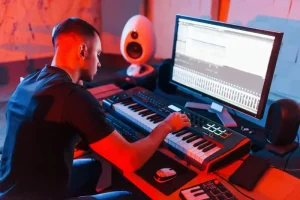
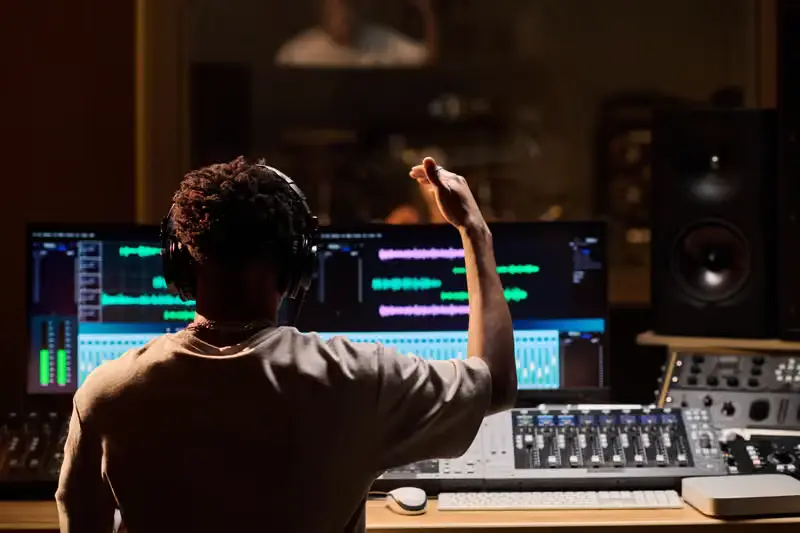
A few years ago, a bedroom producer needed a rack of outboard gear, a pricey studio room, and a session drummer to make a record sound professional. Today, a teenager with a laptop, a decent microphone, and a subscription to a few plug-ins can finish a track that sounds polished enough for streaming. That shift did not happen overnight. It is the result of several overlapping breakthroughs that keep appearing in music technology news. This article looks at the trends dominating the audio production industry right now, explains why they matter, and shares what working producers and engineers are actually doing with them.
Why Music Technology News Matters to Working Producers
Industry headlines can feel like hype. A new feature gets announced, a demo video goes viral, and within a week everyone claims it will change everything. Experienced producers have learned to separate the real shifts from the noise. The real shifts change workflow, cost, or creative possibilities in ways that last beyond one product cycle.
Good music technology news coverage helps you spot those shifts early. It shows where engineers are investing, which tools are gaining professional adoption, and which standards are emerging for formats, collaboration, and distribution. Reading it with a critical eye keeps you competitive without chasing every shiny release.
Artificial Intelligence Moves Into the Mixing Desk
Artificial intelligence has become one of the most discussed topics in audio production. Stem separation tools can now split a finished song into vocals, drums, bass, and other parts with impressive accuracy. Producers use this to remix older tracks, fix problems in recordings, or rebuild a session from a bounced mix. Engineers have also adopted automated mixing assistants that suggest balance, EQ, and compression starting points.
These tools are powerful, but they work best as assistants, not replacements. A mix assistant can save an hour of setup, yet a human still decides whether the vocal feels intimate or distant. Many working engineers describe AI as a fast first pass that they then reshape with their own ears. The real skill now lies in knowing when to trust the suggestion and when to ignore it.
Questions about ownership and training data also come up often in industry coverage. Some artists have raised concerns about voice cloning and unauthorized use of their work. Producers should read license terms carefully and keep clear records of which tools they use on client projects. Transparency builds trust, especially when a client asks how a track was made.
Cloud Collaboration Changes Where Music Gets Made
Remote collaboration has moved from a convenience to a standard workflow. Producers in different cities now share sessions in real time, send stems through secure cloud folders, and review mixes with clients who never enter the studio. Many digital audio workstations now include built-in collaboration features, while separate platforms handle file sharing and version tracking.
This shift has changed how teams work. A vocalist can record in a home booth and send takes to a producer overseas within minutes. A mixing engineer can receive revisions from several clients without losing track of versions. The main challenges are latency for live performance, consistent file naming, and careful management of project backups. Teams that build clear naming conventions and version rules avoid many of the headaches that come with distributed work.
Latency and Real-Time Performance
Live remote recording still faces timing issues. Even small delays can throw off a drummer or a singer monitoring through headphones. Some teams solve this with low-latency audio interfaces and careful buffer settings. Others record parts separately and align them later. Each approach trades immediacy for flexibility, and the right choice depends on the project.
Version Control and File Management
A shared folder becomes chaotic quickly without rules. Producers who thrive in cloud workflows usually adopt a simple system, such as date-based folders, clear version numbers, and a single source of truth for final masters. Writing these rules down keeps everyone aligned, including clients and collaborators who join mid-project.
Spatial Audio and Immersive Formats Gain Ground
Spatial audio has moved from experimental demos into mainstream release planning. Formats such as Dolby Atmos and other object-based systems let producers place sounds in three-dimensional space. Major streaming platforms have expanded support for immersive mixes, which gives artists a new way to present their work. Headphone-based binaural rendering also makes spatial listening accessible to people without multi-speaker setups.
Engineers approaching spatial mixing often start by thinking about movement and depth rather than volume alone. A synth pad might drift slowly around the listener, while a lead vocal stays anchored at the front. The challenge is avoiding clutter. Too many moving elements can confuse the ear, so restraint remains essential. Many experienced mixers say that good spatial work feels natural rather than gimmicky.
Industry data from streaming services has shown growing interest in immersive versions of popular albums, though adoption varies by genre and region. Producers should check current platform guidelines before committing budget to a full immersive project, since specifications and royalty structures continue to evolve.
Plug-Ins and Software Shift Toward Subscription Models
The business side of music technology is changing too. Many plug-in developers now offer subscription bundles alongside traditional one-time purchases. Subscriptions provide regular updates, new sounds, and access to a wide catalog for a monthly or annual fee. Some producers appreciate the lower upfront cost and steady improvements. Others prefer owning their tools outright, especially for long-term projects where a subscription might lapse.
Cross-platform compatibility is another trend. Developers increasingly release tools that run on both Windows and macOS, and many support common plug-in formats across several digital audio workstations. This flexibility helps studios avoid lock-in and makes it easier to share sessions with collaborators using different software.
Weighing Cost Against Long-Term Value
Before adopting a subscription, calculate how often you will use the tool and what happens if you stop paying. Keep a record of licenses, activation limits, and offline access rules. A thoughtful audit of your software stack can reveal which purchases deliver real value and which sit unused.
Real-World Example: A Small Studio Adapts
Consider a three-person production company that handles podcasts, jingles, and independent artist albums. A few years ago, they relied on a single workstation in a rented room and mailed hard drives to clients. Revenue was steady but limited by travel and turnaround times.
They began using cloud storage for client files, adopted a shared naming system, and tested a stem separation tool for remix requests. Their most valuable change, however, was learning to pair automated suggestions with critical listening sessions. One engineer said the assistant helped them move faster on rough balances, but final decisions still came from comparing mixes on several playback systems. Within a year, they took on clients in three other countries, and their project turnaround shortened noticeably. Their story shows that technology news matters most when it fits a clear workflow.
Expert Insights on Balancing Innovation and Craft
Many experienced engineers emphasize that tools should serve the song, not the other way around. Trends like AI assistance and spatial audio can expand creative options, yet they also tempt producers to add complexity without purpose. Mixing teachers often remind students that a great recording still depends on performance, arrangement, and taste.
Industry researchers have also pointed out that accessible tools have widened who can produce music. This has increased competition and created new opportunities for independent artists. It has also raised expectations for speed and polish. Staying current with technology news, while keeping strong listening skills, helps producers remain both efficient and expressive.
Practical Steps for Staying Informed
Follow a mix of sources to avoid narrow perspectives. Trade publications, engineering forums, and manufacturer release notes each reveal different details. Compare claims across sources before changing your setup. Test new tools on non-client projects first, and keep notes on what actually improved your workflow.
Join communities where engineers discuss real sessions, not just product launches. Many useful insights come from people describing what failed, what saved time, and what they would never use again. These firsthand accounts often reveal more than polished announcements.
Conclusion
Music technology news trends are reshaping how music gets written, recorded, mixed, and shared. Artificial intelligence speeds up routine tasks, cloud collaboration connects producers across distances, spatial audio opens new creative space, and subscription models change how studios budget for tools. Each shift brings real benefits alongside new responsibilities, from protecting artists’ rights to managing files carefully.
The producers who thrive are not necessarily the ones who adopt every new feature. They are the ones who understand which trends fit their goals, test them thoughtfully, and keep their ears at the center of every decision. Technology will keep evolving, but good listening and clear craft remain the foundation of great audio.
Frequently Asked Questions
1. Which music technology news trends matter most for home studio producers right now?
AI-assisted mixing, cloud collaboration tools, and affordable spatial audio options deserve attention. Focus on tools that speed up your workflow without compromising sound quality, and test them on personal projects before using them on paid work.
2. Is AI music production software safe to use on client projects?
It can be, but check the license terms, keep records of which tools you used, and disclose AI assistance when clients ask. Review rights and ownership questions carefully before delivering final files.
3. Do I need expensive hardware to take advantage of new audio production technology?
Not always. Many modern plug-ins and cloud tools run on standard laptops. Invest first in a reliable audio interface, monitoring you trust, and good acoustic treatment, then add software as your projects require it.