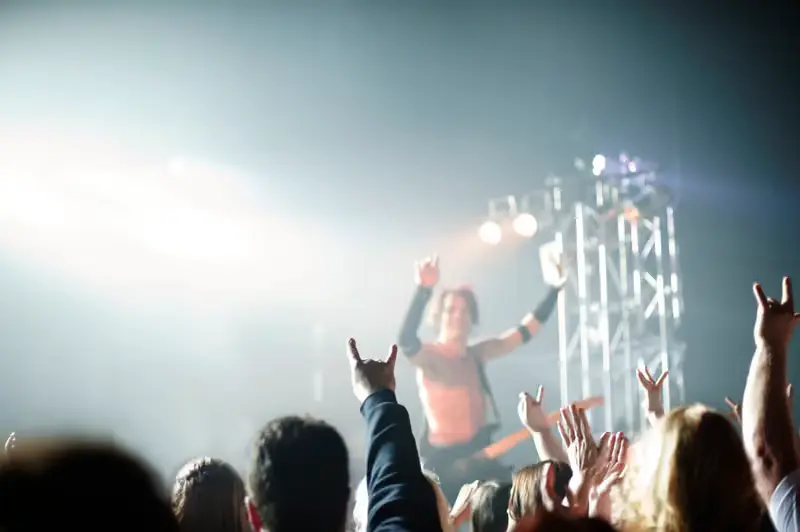
The lights drop, a single guitar note rings out, and suddenly ten thousand people stop talking at once. Anyone who has stood through that moment knows it is hard to describe. The live rock concerts energy you feel in the room rarely shows up on a recording. Your chest tightens, your feet start moving, and the stranger beside you starts singing the same words. That reaction is not an accident. It is the result of careful planning, skilled performers, precise engineering, and a crowd that chooses to take part. This article explores where that energy comes from, how touring teams build it night after night, and what fans can do to get the most from it.
A recording can deliver great songwriting, tight playing, and a clean mix. It cannot deliver physical pressure, shared space, or the sense that something might go wrong at any second. Live rock concerts energy depends on that uncertainty. A singer might stretch a note longer than planned. A drummer might push the tempo a little faster because the crowd is loud. Those small surprises make each night feel unrepeatable.
Researchers who study music and social behavior have spent years looking at this effect. Studies connected to Oxford University found that people who sang together in groups reported feeling closer to one another, and that group singing was linked to higher pain tolerance. Those findings help explain why a chorus shouted by thousands can feel almost physical. The body and the group respond together, and that shared response is a big part of live rock concerts energy.
How Stage Design Shapes the Mood
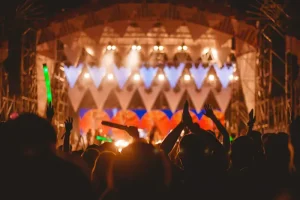
Stage design is the first clue to what kind of night lies ahead. A towering backdrop, a runway pushing into the crowd, or a bare stage with a single spotlight each sends a different message. Designers plan these elements around the band’s identity and the venue’s shape. The goal is to make the performers visible from every seat while keeping the space open for movement.
Lighting does much of the emotional work. Strobes can drive a fast song forward, while slow color washes can soften a ballad. The best lighting teams often build their cues around the setlist, so visuals rise and fall with the music rather than running on a fixed loop. When the timing lines up, the eyes and ears reinforce each other. Viewers feel the beat before they consciously notice it, which strengthens the sense of live rock concerts energy.
Pyrotechnics, confetti, and video screens can add drama, but they work best when they serve a moment. A burst of flame during the final chorus feels powerful. The same effect during a quiet acoustic break can feel out of place. Experienced production managers know that restraint often hits harder than excess.
The Role of Sound Engineering
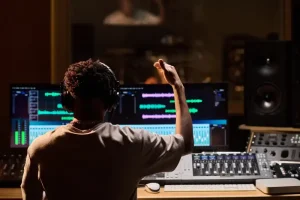
Volume gets most of the attention, yet balance matters more. A front-of-house engineer shapes the mix so the kick drum lands in the chest, the guitars cut through, and the vocals remain clear. When this balance works, the audience hears detail even in a packed arena. When it fails, the room turns into a wall of noise that drains energy instead of building it.
Acoustics change everything. A concrete warehouse can make a show feel raw and loud. A historic theater with wooden balconies can add warmth and depth. Engineers adjust speaker arrays, delay towers, and equalization for each room, sometimes spending hours tuning before the doors open. Good sound makes the crowd lean in, and that focus feeds the live rock concerts energy that performers feel from the stage.
Hearing protection deserves attention too. Typical concert levels often reach around 100 to 110 decibels, and the World Health Organization advises limiting exposure at such volumes to keep hearing safe over time. Musicians, crew members, and fans all benefit from earplugs designed to lower volume evenly without flattening the mix. Protecting your ears means you can keep enjoying loud nights for decades.
Crowd Dynamics and Shared Ritual
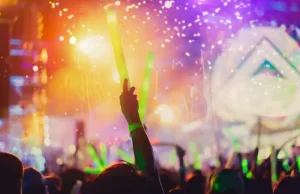
The crowd is often the most powerful ingredient. Musicians regularly say that audience reaction shapes their performance. A quiet room can make a band play cautiously. A roaring crowd invites risks, longer solos, and spontaneous changes to the arrangement. The loop runs in both directions, and each song builds on the last.
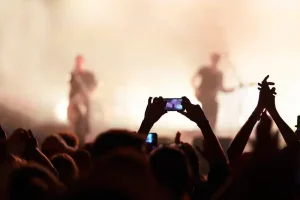
Ritual also plays a role. Certain songs trigger specific behaviors, such as a wall of fists during an anthem, a sea of phone lights during a ballad, or a call and response that the singer leads from the stage. Many of these traditions start small and spread through regular fans who attend multiple shows. Newcomers can learn them quickly, which helps them feel welcome rather than outside the group.
Crowd safety belongs in this conversation as well. Energetic moshing and crowd surfing can be part of the experience, but they require awareness. Helping someone who falls, stepping back when a person signals distress, and reporting dangerous behavior to staff all protect the atmosphere. The best nights happen when people trust each other to keep the energy high without causing harm.
Touring Logistics Behind the Energy
Few fans see the planning that makes a tour possible. A band may travel with dozens of crew members, multiple trucks, and carefully timed load-in schedules. Production teams typically arrive hours before doors open to hang rigging, set up instruments, and run sound checks. Each venue has different power limits, loading docks, and union rules, so advance planning matters enormously.
Routing decisions shape the energy across a tour. Long drives between shows can drain performers, while well-spaced dates allow recovery. Experienced tour managers often balance big cities with smaller markets, using local radio, social media, and fan communities to build demand. A show that sells out a regional club can create momentum for a larger hall later.
Budget pressure is real too. Touring costs include transport, staging, insurance, crew wages, and venue fees. Rising costs have pushed many artists to rely more on merchandise and fan club subscriptions. Some bands now offer smaller warm-up shows or livestreams to keep their audiences engaged between tours. These choices affect the live experience, because a band that can afford better production often delivers a stronger night.
Building a Relationship With Fans
Live rock concerts energy depends on trust between the band and its audience. Artists who answer messages, share behind-the-scenes content, and treat fans with respect tend to build loyal followings. Those relationships often bring people back to the same tour or city year after year.
Fan communities extend the experience beyond the venue. Online groups share setlists, trade photos, and plan meetups before shows. Many long-time fans say their closest friendships began in a crowd. That sense of belonging makes the next concert feel like a reunion rather than a one-time event.
A Real-World Example From a Small Club
Consider a rock band playing a club with about three hundred seats in a mid-sized city. The soundcheck runs late, and the lighting crew only has a few fixtures. Nothing about the room looks impressive. Then the band opens with a fast track, and the first rows start bouncing. The singer stops mid-song and asks the crowd to shout the chorus alone. The sound rolls back at them, and a few strangers start laughing as they sing louder than they planned.
By the end of the night, several fans had exchanged phone numbers and planned to see the band again in a larger hall. The drummer later said the room had pushed them harder than any arena he had played that year. That story shows the core truth about live rock concerts energy. It rarely depends on size or budget alone. It comes from people reacting to each other in the same moment.
Practical Tips for Fans and Planners
Fans can take several steps to enjoy a stronger night. Arrive early enough to find a comfortable spot, but not so early that you exhaust yourself before the headliner. Bring earplugs, stay hydrated, and keep your phone use reasonable so you can actually watch the show. If you want to sing along, learn the chorus before the night. Singing with confidence often leads to better energy around you.
Planners and venue managers can also focus on the basics. Clear sightlines, good ventilation, accessible exits, and visible staff make a big difference. Sound checks should include the full band and crew whenever possible. Lighting and visual plans should match the set length and the venue’s size. When these details work together, the room feels alive rather than merely full.
Conclusion
Live rock concerts energy comes from many sources working at once. Stage design and lighting shape the mood, while sound engineers build the physical punch that fans feel in their bodies. Crowds create shared rituals that turn strangers into a temporary community. Touring teams handle the logistics that make each night possible, and bands who respect their fans earn the loyalty that keeps people coming back.
For anyone who loves rock music, the best approach is simple. Show up ready to participate, protect your hearing, and treat the people around you with care. The energy in the room is not something a band delivers alone. It is something everyone creates together, one song and one chorus at a time.
Frequently Asked Questions
1. What makes live rock concerts energy feel different from listening at home?
Live shows add physical sound pressure, real-time performance, shared movement, and the presence of other fans. Those elements create emotional intensity that recordings rarely match, because the experience changes with every crowd, room, and setlist choice.
2. How can fans protect their hearing while enjoying loud rock shows?
Use concert earplugs that reduce volume evenly without muffling the mix. Take breaks away from the speakers, avoid standing directly in front of stacks for long periods, and remember that ringing ears after a show can signal possible hearing strain.
3. Does the venue size change the level of live rock concerts energy?
Yes, though not always in the way people expect. Small clubs feel intense because fans sit close together. Large arenas feel dramatic through bigger visuals and scale, so the best choice depends on whether you prefer intimacy or spectacle.