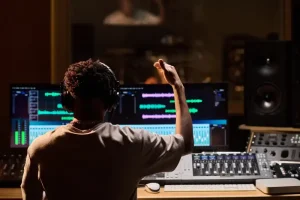

Indie music does not have one fixed sound. Its identity emerges from the choices artists make about production, songwriting, performance, and creative independence. From lo-fi recordings and angular guitar arrangements to polished electronic textures and intimate vocals, the defining sound indie music traits depend on how musicians balance experimentation with a recognizable artistic voice. Understanding these differences requires looking beyond surface-level labels and examining how musical decisions shape the listener’s experience.
Production Choices That Give Indie Music Its Identity
Production plays a major role in shaping the sound of indie music. Some artists prefer rough recordings that preserve the imperfections of a live performance, while others use detailed studio arrangements, layered instruments, and carefully controlled effects. Neither approach automatically makes a track more independent or authentic. The defining factor is how production supports the artistic intention behind the music. A slightly distorted guitar, a vocal recorded close to the microphone, or a drum track with minimal editing can create a sense of intimacy that highly polished production might not deliver in the same way. Other artists deliberately use clean mixes and sophisticated recording techniques to highlight subtle musical details. These choices demonstrate why sound indie music traits cannot be reduced to low budgets or imperfect recordings. Production becomes distinctive when it contributes to the atmosphere, emotional impact, and identity of a song.
Lo-Fi Textures and Recording Imperfections
Lo-fi production remains closely associated with several indie traditions because it can create a personal, immediate listening experience. Audible room noise, tape saturation, uneven dynamics, and slightly distorted instruments can make a recording feel as though the listener is present during the performance. These details can also establish a particular mood, especially in bedroom pop, garage rock, and experimental folk. However, lo-fi production works best when its imperfections serve a purpose. Excessive noise may obscure lyrics or weaken the relationship between instruments. Experienced listeners should therefore distinguish between deliberate texture and technical limitations that distract from the composition.
Why Imperfection Can Strengthen a Song
An imperfect vocal take can communicate hesitation, vulnerability, or excitement that disappears when every detail is corrected. Similarly, a guitar that slightly exceeds the expected level of distortion can make a chorus feel more urgent. These effects are not universal advantages. Their value depends on the arrangement and emotional context. The most effective sound indie music traits often emerge when artists preserve imperfections that contribute meaning rather than treating every mistake as automatically desirable.
The Difference Between Lo-Fi Style and Poor Production
Lo-fi music can still demonstrate careful recording decisions. Artists may intentionally limit frequency ranges, emphasize room acoustics, or use inexpensive equipment to achieve a particular sound. Poor production, by contrast, can involve problems that interfere with the intended experience, such as unintelligible vocals or distracting volume imbalances. Recognizing this difference helps explain why a rough-sounding indie record can feel more carefully constructed than a technically cleaner recording.
Polished Production and Independent Artistic Identity
Independent music can also sound spacious, precise, and commercially competitive. Artists may work with experienced producers, use professional studios, and apply advanced mixing techniques without abandoning their creative independence. In dream pop, for example, carefully arranged reverberation and layered synthesizers can create an expansive atmosphere. Indie pop may use bright percussion, controlled bass, and clear vocal production to make intricate melodies accessible. The important question is whether the production reinforces the artist’s identity. A polished recording can retain distinctive sound indie music traits when its arrangement, lyrical perspective, and sonic choices avoid simply reproducing an established commercial formula.
Songwriting That Balances Familiarity and Experimentation
Indie songwriting frequently combines recognizable structures with unexpected decisions. A song might use a conventional verse and chorus while introducing unusual chord changes, asymmetric phrasing, or a bridge that shifts the emotional direction. Other compositions avoid familiar pop structures altogether, allowing repetition, gradual development, or instrumental passages to determine the form. These approaches give listeners something familiar enough to follow while preserving room for discovery. The balance varies across alternative genres. Indie rock may emphasize memorable guitar hooks, while experimental pop may build songs around fragmented melodies or unconventional rhythms. Strong songwriting makes these choices feel connected to the song’s purpose instead of appearing unusual merely for attention. Among the most important sound indie music traits is this ability to challenge expectations without losing musical coherence.
Melodies, Chord Progressions, and Unexpected Structures
Indie melodies often combine accessible phrases with unusual intervals, understated delivery, or changes in emphasis. A vocalist might repeat a simple melodic line while the harmony beneath it changes, creating a different emotional meaning each time. Some songwriters also favor suspended chords, open tunings, modal harmonies, or progressions that resist a predictable resolution. These techniques are not exclusive to indie music, but their use can contribute to its varied identity. Structure matters as well. An extended instrumental passage or a chorus that appears only once may encourage active listening rather than immediate familiarity. The strongest arrangements make such decisions feel natural within the composition.
Repetition as an Artistic Tool
Repetition can establish atmosphere, create tension, or make a small musical detail increasingly meaningful. In minimalist indie rock, a repeated guitar figure may gradually change through subtle shifts in dynamics and instrumentation. In electronic indie pop, a loop can become the foundation for evolving textures and vocal layers. Repetition becomes less effective when it continues without development or emotional purpose. Skilled songwriters understand when a familiar pattern needs a variation, a pause, or a sudden change in intensity. This careful management of expectation helps distinguish deliberate simplicity from a lack of musical development.
Vocal Delivery and the Human Element
Vocals contribute strongly to the identity of indie music because delivery can matter as much as technical range. Some singers use restrained, conversational phrasing that makes a lyric feel like a private observation. Others adopt strained high notes, expressive imperfections, detached spoken passages, or theatrical performances. These approaches can establish intimacy, tension, irony, or emotional distance. A technically unpolished vocal is not automatically more sincere than a controlled performance. What matters is the relationship between the voice, the words, and the surrounding arrangement. In many indie recordings, vocal details such as breath, timing, and changes in intensity become part of the composition rather than elements to be corrected. This emphasis on individual expression is one of the recognizable sound indie music traits across several alternative traditions.
Vocal placement also changes the listener’s perception of a song. A voice positioned prominently in the mix can make personal lyrics feel direct, while a distant or heavily reverberated vocal may create emotional separation. Double tracking, harmonies, distortion, and filtering can further alter the relationship between the singer and the listener. Indie artists frequently experiment with these techniques to establish a particular character. A subdued voice over a loud arrangement may suggest restraint under pressure, whereas an exposed vocal over a sparse instrumental can intensify the vulnerability of a performance. The effectiveness of these decisions depends on context, not on a single preferred singing style.
Instrumentation, Rhythm, and Genre Blending
Indie music draws from a wide range of instrumental traditions, including rock, folk, electronic music, jazz, punk, and experimental composition. This openness allows artists to combine sounds that might otherwise belong to separate musical categories. A track can pair distorted guitars with programmed percussion, acoustic strings with synthesizers, or a dance-oriented bass line with introspective vocals. Rhythm also plays an important role. Some indie songs use loose, human timing, while others depend on precise electronic patterns or irregular meters. These contrasts explain why sound indie music traits differ significantly between artists who share the same broad genre label. Instrumentation is not simply a list of instruments. It is the way their tones, rhythms, and musical roles interact to create a recognizable whole.
Guitar-Based Indie Rock and Its Alternatives
Guitar remains central to many indie rock recordings, but its function varies considerably. Bright, clean guitar patterns can create a light and melodic sound, while fuzz and feedback can produce tension or a sense of disorder. Some artists use tightly coordinated riffs, whereas others favor open chords and overlapping instrumental parts. Bass lines may carry the melody rather than simply support the harmony, and drums can shift between restrained grooves and explosive passages. These choices allow indie rock to move from delicate arrangements to aggressive performances without losing its broader connection to alternative music. Guitar-driven music is only one part of the indie landscape, however, and treating it as the default can overlook artists working primarily with keyboards, samples, or acoustic instruments.
Rhythm Sections and Dynamic Contrast
A rhythm section shapes how a song moves through time. Drummers may use loose fills and subtle timing variations to create a live feel, or they may maintain a rigid pattern that gives the arrangement mechanical precision. Bass players can reinforce the root notes or introduce independent melodic movement. When these elements interact with changes in guitar intensity, the result can be a strong dynamic contrast between verses and choruses. Such contrast often creates impact without requiring complicated musical theory or excessive production.
Electronic Textures and Unconventional Instrumentation
Electronic indie styles frequently use synthesizers, drum machines, samples, and processed acoustic sounds to expand the available palette. A familiar instrument may be reversed, filtered, or layered until its original source becomes difficult to identify. These methods can create dreamlike atmospheres or rhythmic patterns that would be difficult to achieve through a conventional band arrangement. The creative decision is not simply to add electronic sounds, but to determine how they support the song’s structure and mood. This flexibility is central to the sound indie music traits found in contemporary alternative pop and experimental releases.
Cross-Genre Influence Without Losing Identity
Genre blending works when different influences contribute meaningful roles to the composition. An indie folk song might use electronic percussion to create forward movement, while a post-punk arrangement might incorporate synthesizers without losing its emphasis on bass and rhythmic tension. Shoegaze can combine dense guitar layers with melodic vocals, while art pop may use unconventional structures and carefully designed sonic details. These combinations make rigid genre definitions less useful. Listeners can better understand a track by examining its arrangement, rhythmic approach, production, and emotional character rather than relying on one label. A distinctive artistic identity emerges when influences support a consistent creative direction.
Lyrics, Themes, and Emotional Authenticity
Indie lyrics often focus on personal observations, complicated relationships, uncertainty, memory, identity, and ordinary experiences. Their strength frequently comes from specificity rather than grand statements. A detail about an empty kitchen, a late train, or an awkward conversation can communicate emotional tension more effectively than a broad declaration about heartbreak. Some songwriters favor direct storytelling, while others rely on surreal imagery, fragmented thoughts, or ambiguous language. Both approaches can work when the words interact meaningfully with the music. Lyrics do not need to be autobiographical to feel convincing, and personal subject matter alone does not guarantee depth. Authenticity develops through the precision of the writing, the consistency of the perspective, and the relationship between language and performance.
Ambiguity can also be an important artistic choice. A lyric that leaves its central conflict unresolved may invite listeners to interpret it through their own experiences. However, vagueness becomes less effective when images and ideas lack a clear emotional connection. Experienced listeners can assess the writing by considering whether individual details accumulate into a meaningful perspective. In this sense, sound indie music traits include more than instrumental and production decisions. The language, vocal emphasis, and emotional pacing all help establish how a song communicates its ideas.
Independent Creative Decisions and Artistic Control
Independence in music can refer to business arrangements, creative authority, or a broader attitude toward artistic decisions. These meanings overlap, but they are not identical. An independent artist may release music through a small label, operate entirely alone, or work with a larger organization while retaining substantial control over the creative process. Likewise, a self-released track is not automatically experimental or distinctive. The connection between independence and sound becomes meaningful when artists have the freedom to choose their collaborators, production methods, lyrical themes, and release strategies according to their goals. These choices can allow unusual arrangements and less conventional song structures to reach listeners without being reshaped to fit a narrow commercial expectation.
Collaboration and Creative Boundaries
Independent production does not mean avoiding collaboration. Producers, engineers, session musicians, and co-writers can help artists develop ideas that would be difficult to realize alone. The important factor is how responsibilities and creative decisions are shared. A producer may encourage a songwriter to remove unnecessary layers, change the tempo, or experiment with an unfamiliar instrument. Another collaborator may help preserve the original performance while improving the clarity of the recording. Successful collaboration strengthens the artistic direction rather than replacing it. The resulting sound indie music traits may reflect a combination of individual vision and collective expertise.
Artistic Risk and Audience Expectations
Artists who experiment with unfamiliar sounds may face a slower path to audience recognition, especially when their work resists established genre conventions. However, risk does not require making every song difficult or unpredictable. It can involve changing a familiar arrangement, writing from an uncomfortable perspective, or using a new recording method. A practical way to assess artistic risk is to ask whether the decision introduces a meaningful possibility of failure while serving a clear creative goal. Unusual choices become more convincing when they help express an idea that a safer approach could not communicate as effectively.
How Digital Platforms Shape Indie Music’s Sound
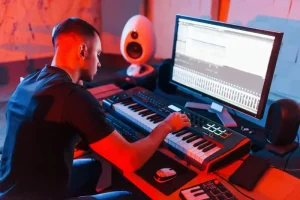
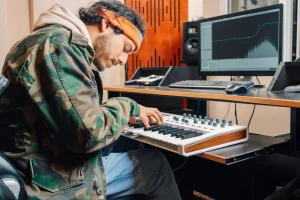
Digital recording tools and online distribution have changed how independent artists create and release music. Home studios make it possible to record vocals, program drums, edit performances, and build complex arrangements without booking expensive studio time. Digital audio workstations also allow musicians to experiment with sound design and revise ideas quickly. At the same time, accessible tools can encourage artists to explore production styles that would once have required specialist equipment. These developments have expanded the range of sound indie music traits available to emerging musicians, although access to technology does not replace the need for musical judgment.
Streaming platforms and social media also influence how listeners discover new artists. Short clips can bring attention to a memorable chorus or distinctive sonic detail, while playlists may introduce tracks to audiences outside their original scene. Yet artists who focus exclusively on immediate engagement risk simplifying arrangements or repeating the same musical formula. A short preview may attract attention, but a coherent album or full-length song still depends on development, pacing, and meaningful variation. Digital visibility can help independent musicians reach audiences, but it does not determine the artistic quality of their work.
Evaluating the Sound of Indie Music Across Alternative Genres
Understanding indie music requires comparing artistic choices rather than searching for one defining instrument or production technique. A listener can examine how the recording sounds, how the arrangement develops, what role the vocals play, and how the song combines familiar and unexpected elements. Comparing artists from indie rock, bedroom pop, dream pop, indie folk, and experimental electronic music reveals both differences and shared approaches. One artist may prioritize immediacy and rough textures, while another builds a carefully layered sound through detailed studio production. Both can belong to the indie landscape if their music reflects a distinctive creative direction. The most useful analysis considers the relationship between technique and intention.
Listeners can also compare different versions of the same song to understand how production decisions affect its character. An acoustic performance may emphasize melody and lyrics, while a full-band recording highlights rhythm and dynamic contrast. A remix might bring an overlooked bass line or electronic texture to the foreground. These comparisons demonstrate that a song’s identity can survive substantial changes in arrangement, even as its emotional effect shifts. Ultimately, sound indie music traits are best understood as a collection of flexible creative practices rather than a rigid set of rules.
Conclusion
The unique sound of indie music comes from the interaction of production, songwriting, vocal delivery, instrumentation, lyrical perspective, and artistic control. No single characteristic defines every alternative genre, and neither rough recordings nor experimental arrangements guarantee originality. What makes a track distinctive is the relationship between its musical decisions and its creative purpose. By listening closely to texture, structure, rhythm, and emotional expression, audiences can recognize how different artists establish their identities. These sound indie music traits continue to evolve as musicians combine established traditions with new technologies and personal influences.