A truly terrifying haunted house is more than a dark building filled with frightening decorations. It creates an atmosphere of suspense, mystery and unexpected surprises that keeps visitors nervous throughout the experience. From creepy sounds and disturbing visuals to realistic props and unexpected encounters, every detail contributes to the overall fear. A well-designed haunted house combines creativity, storytelling and carefully planned effects to make visitors feel as though they have entered another world.
1. A Convincing Theme and Story
A strong theme gives a haunted house a clear identity. It might be an abandoned hospital, forgotten mansion, haunted forest or mysterious laboratory. Every room, costume and decoration should support the same idea.
A connected storyline makes scenes meaningful and encourages visitors to imagine what happened and what might appear next. A believable setting makes the experience more engaging. Thoughtful details help visitors connect clues, follow the plot, and understand how each frightening scene relates to the larger story unfolding around them.
2. Atmospheric Lighting and Darkness
Lighting creates fear because visitors cannot see clearly. Dim lights, flickering bulbs, shadows and spotlights can make ordinary objects appear threatening. Darkness also allows performers and moving props to remain hidden until the moment.
In a haunted house, lighting should guide attention without revealing everything, letting visitors imagine what may be waiting nearby. Sudden changes from darkness to light can also make a reveal more surprising.
3. Realistic Decorations and Special Effects
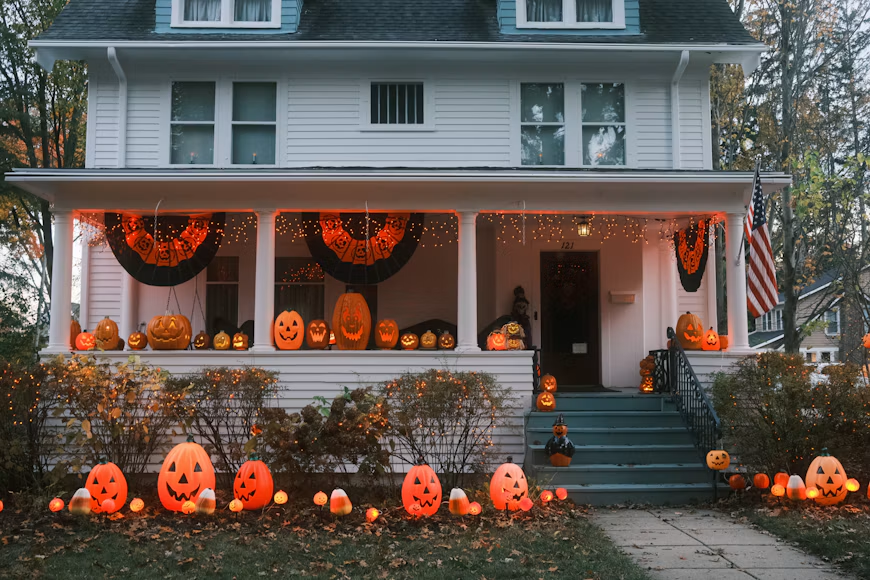
Scenery transforms an ordinary space into a frightening environment. Broken furniture, dusty objects, cobwebs, artificial blood, eerie portraits and lifelike figures make rooms appear abandoned. Fog machines, moving props, projections and mechanical creatures add realism when used well.
Good haunted house designs need not rely on expensive effects; consistent details create atmosphere. Props should match the theme and look convincing from close range, since visitors often notice small details as they move through each scene.
4. Terrifying Sounds and Music
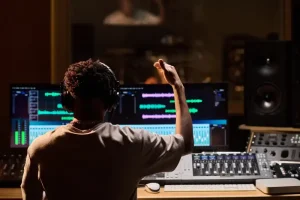
Sound intensifies frightening scenes. Distant footsteps, creaking doors, whispering voices, sudden bangs and unsettling music create tension before visitors see anything. Quiet moments matter because silence makes people expect something.
A well-planned haunted house varies volume and distance to make visitors unsure what comes next. Directional speakers can make a whisper seem close by or a footstep sound as though it is approaching from behind.
5. Skilled Actors and Unexpected Scares
Live performers make experiences unpredictable. Actors may portray ghosts, monsters or patients, through costumes, makeup and timed appearances. Sudden surprises can be effective, but repeating the same trick becomes familiar.
In a haunted house, performers should vary timing, respect boundaries and keep pathways clear. Strong makeup and expressive body language help performers communicate frightening characters even before they speak.
Final Thoughts
A memorable haunted house brings storytelling, lighting, decorations, sound, live performances and thoughtful layout together. Each element works best when supporting one atmosphere. Unexpected moments create excitement, while quiet stretches allow suspense to grow. Classic ghosts or modern effects can make rooms mysterious. Plan details, test before opening and put safety first. These choices help create an attraction visitors will remember and recommend.