Few experiences match standing in a packed venue when the first chord hits. The floor shakes, strangers start singing the same words, and for a few hours everyone feels part of something bigger. That feeling is the heart of the live rock concerts atmosphere. People talk about it for years after a show, and many chase it again and again. But what actually creates that intensity? It is not just the band or the volume. Several elements work together, from the physical space and the lights to the crowd itself. This article breaks down those elements and explains why the live rock concerts atmosphere feels so different from listening to music at home.
Why Sound Matters More Than Volume
Most people assume a loud show equals a great show. Volume plays a role, but the real power lies in how sound moves through a room. A good live sound engineer shapes the mix so every instrument has space. The bass hits the chest, the guitars cut through, and the vocals stay clear above the noise. When this balance works, the live rock concerts atmosphere feels full and immersive rather than messy.
Sound also reaches people differently in a crowd. You feel the kick drum in your ribs before you consciously hear it. That physical response creates a bond between listeners and the music. Recorded songs can be played loudly at home, but they rarely produce that same pressure in the body. The vibration, the echo off the walls, and the way sound bounces back from a thousand bodies all shape the live rock concerts atmosphere in ways a speaker cannot copy.
Veteran touring engineers often say the room matters as much as the rig. Concrete warehouses can make a show feel raw and loud. Old theaters with wooden balconies can add warmth and depth. Smaller clubs squeeze the crowd together, which increases the sense of closeness. Each space changes the live rock concerts atmosphere in its own way, and experienced fans learn to pick venues based on the kind of night they want.
The Role of Lighting and Stage Design
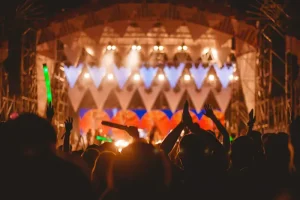
Lighting transforms a stage from a plain platform into a visual story. Strobes punch the beat, colored washes set the mood, and sudden blackouts build tension before a big song. Lighting designers often plan each cue alongside the setlist, so the visuals rise and fall with the music. This coordination strengthens the live rock concerts atmosphere because the eyes and ears respond together.
Stage design adds another layer. A massive backdrop, towering speaker stacks, or a runway pushing into the crowd all signal that something special is happening. Some bands use smoke, fog, or pyrotechnics for dramatic moments. These effects should serve the music, not overshadow it. When they fit the songs, they amplify the live rock concerts atmosphere without distracting from the performance.
Fans notice when lighting feels cheap or careless. Harsh flat lights make the crowd look bored and the band look small. Thoughtful lighting does the opposite. It lifts the energy, frames the musicians, and makes everyone in the room feel visible. That shared visibility plays a quiet but important role in how the live rock concerts atmosphere takes hold.
How Crowd Energy Feeds the Experience
The crowd is often the most powerful ingredient. Musicians frequently say the audience shapes the performance as much as their own practice. A quiet room can make a band play tentatively. A roaring crowd pushes them to take risks, stretch solos, and improvise. This feedback loop runs in both directions, and it builds the live rock concerts atmosphere song by song.
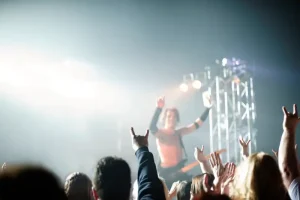
Shared behavior also matters. When fans sing every word of a chorus, clap on the wrong beat, or raise their hands together, they create a sense of unity. Psychologists who study group ritual have long noted that synchronized movement and voice can increase feelings of connection. You do not need a scientific paper to notice it at a show. The moment a whole room sings along, the boundaries between strangers soften.
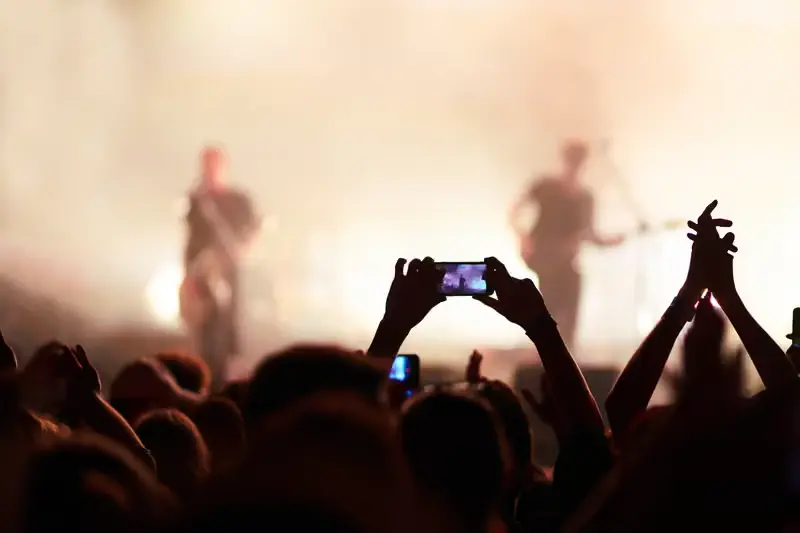
Some crowds develop their own traditions. Certain songs trigger specific rituals, like a mosh pit opening up or a sea of phone lights during a ballad. These traditions often grow organically, passed along by regulars who attend many shows. They give newcomers a way to belong quickly, which makes the live rock concerts atmosphere feel welcoming instead of intimidating.
Community and the Sense of Belonging
Rock music has long offered outsiders a place to feel at home. Teenagers who felt misunderstood at school found friends in the front row. Adults who spent decades in quiet routines discovered a loud, joyful outlet at weekend shows. This sense of belonging is one of the strongest threads in the live rock concerts atmosphere.
Community forms in small ways too. Two people share a bottle of water near the barrier. A stranger shouts a lyric you forgot, and you laugh together. Someone lifts a friend onto their shoulders so they can see. These brief moments of kindness add up. They turn a crowd of individuals into a temporary family, even if no one exchanges names.
Fan communities extend beyond the venue. Online groups discuss setlists, share photos, and plan meetups before tours arrive in town. Many fans say their best friendships started at a show. The live rock concerts atmosphere therefore continues long after the lights come up, carried in group chats and memories.
Real-World Example: A Night at a Small Club
Consider a small club show in a mid-sized city. Maria, a nurse who works long shifts, bought a ticket on a whim after a friend backed out. The venue held about three hundred people. The sound was loud but clean, and the lights were simple but well timed. During the third song, the singer stopped and asked the crowd to sing the chorus alone. Maria did not know the words well, but she shouted along anyway. The people around her laughed, sang louder, and pulled her into the rhythm.
By the end of the night, Maria had made two new friends and planned to see the band again in a larger hall. She later said the experience felt different from listening to the album at home. The room made the songs feel alive. That story captures the core of the live rock concerts atmosphere. It comes from sound, light, performance, and people working together in the same moment.
Safety and Respect in the Crowd
An intense atmosphere only works when people feel safe. Venues and bands share responsibility for setting clear expectations. Good crowd management includes visible staff, accessible exits, and sensible limits on capacity. Bands that encourage respectful moshing and call out harassment help set the tone for everyone.
Fans also play a part. Moving with the crowd is part of the fun, but reckless shoving puts people at risk. Helping someone who falls, stepping back when someone signals distress, and speaking up about unsafe behavior all protect the live rock concerts atmosphere. A show feels electric when people trust each other to keep the energy high without causing harm.
Hearing protection matters too. Long exposure to loud music can damage hearing over time. Many fans now carry earplugs designed for concerts. These filters lower the volume without flattening the sound, so you can still enjoy the mix. Protecting your hearing lets you keep attending shows for years, which means you can keep experiencing the live rock concerts atmosphere that drew you in the first place.
Why the Atmosphere Stays With Us
Human memory tends to hold onto emotionally intense moments. A rock show combines music, movement, social bonding, and physical sensation. That mix creates strong memories, and those memories often shape how people remember the band and the era of their lives. Many fans can name the exact song they heard the first time they saw their favorite group.
This lasting effect explains why people keep returning. The live rock concerts atmosphere offers something recordings cannot fully capture. It is temporary, shared, and unrepeatable. Each night unfolds differently based on the room, the weather, the mood of the crowd, and the energy of the band. That unpredictability keeps the experience fresh.
Conclusion
The intense feeling at a rock show does not come from one single factor. Sound engineers shape the mix, lighting designers guide emotion, and bands respond to the crowd in real time. Fans bring their own voices, movements, and kindness to the room. Together, these elements create the live rock concerts atmosphere that people describe as electric and deeply connecting. Whether you attend a tiny club or an arena, the same basic ingredients apply. Keep your ears protected, stay respectful, and sing along when the moment comes. The best nights happen when everyone in the room chooses to be part of it.
Frequently Asked Questions
1. What makes the live rock concerts atmosphere different from listening at home?
Live shows combine physical sound, shared movement, lighting, and real-time performance. You feel the music in your body and share the moment with strangers, which recordings rarely replicate.
2. Does the size of the venue change the live rock concerts atmosphere?
Yes. Small clubs feel intimate and intense because the crowd sits close together. Large arenas feel more dramatic, with bigger visuals and a wider sense of shared scale.
3. How do fans help create a strong live rock concerts atmosphere?
Fans sing along, move together, and welcome newcomers. Their energy pushes bands to perform harder, and that feedback loop builds the mood throughout the entire night.
4. Can I enjoy the live rock concerts atmosphere without going to the front?
Absolutely. Middle and back sections often have excellent sound and a relaxed energy. You can still sing, move, and connect with nearby fans from anywhere in the room.
5. How can I protect my hearing while enjoying the live rock concerts atmosphere?
Use concert earplugs that lower volume evenly without muffling the mix. Take breaks away from the speakers and avoid standing directly in front of stacks for long periods.