
Sound indie genre characteristics describe a set of production habits rather than one fixed style. A band can use synths, folk guitars, or drum machines and still sound independent, because the genre lives in how the music gets made rather than in which instruments show up. The markers hold steady across decades. Untreated vocals, audible room ambience, and arrangements that leave silence instead of filling every bar.
You already know how a compressor works and why a room mic sounds different from a close mic. The useful discussion starts after that, at the level of decisions. Why does a slightly flat vocal note often beat a corrected one? Why does a quieter verse make a chorus feel enormous, while a louder verse flattens everything? Those questions sit at the centre of this piece.
What follows covers the sonic markers that define the genre, guitar and reverb treatment, vocal delivery, studio craft, lo-fi aesthetics, rhythm and dynamics, and where indie culture is heading now. Each section focuses on choices you can make in your own sessions this week.
What Separates Sound Indie Genre Characteristics From Mainstream Rock
Mainstream rock mixes toward a target. Vocals sit forward, the low end stays controlled, every chorus lands at a predictable loudness, and nothing distracts from the hook. Independent records do the opposite in small, deliberate ways. They let the performance wobble, keep a noisy amp in the background, and trust the listener to hear intention inside imperfection.
That difference started as economics. Small studios had fewer takes, cheaper gear, and no time for endless refinement, so bands printed what they played and moved on. The resulting sound carried more human information than the polished alternative, and listeners noticed. Today the same approach is a choice rather than a constraint, which means engineers now recreate it on purpose.
Here is the test most experienced listeners run without thinking about it. Can you hear the room? Can you hear the pick hit the string, a chair creak, or a breath before a line? Those details tell you a performance was captured rather than assembled. That distinction sits at the heart of sound indie genre characteristics, and it explains why so many over-produced records feel lifeless even when the songs are strong.
The Sonic Signature: Guitars, Reverb, and Space
Guitars do most of the melodic work in this genre, and their tone tends toward clean or lightly driven rather than heavily saturated. Single coil pickups, mid gain amplifiers, and effects like chorus and tremolo appear constantly because they preserve picking detail. A heavily distorted signal hides dynamics, and this music depends on dynamics to communicate.
Space matters just as much as tone. Arrangements typically leave gaps between instruments instead of stacking parts across every frequency. A guitar playing an arpeggio, a bass holding roots, and a drum kit keeping time can sound complete without a pad, a second guitar, or a synth filling the middle. Restraint is the arrangement technique most associated with sound indie genre characteristics.
Jangly Riffs and Amp Textures That Define the Tone
The jangle comes from technique more than gear. A player who picks close to the bridge with an even attack gets that sound from almost any clean amplifier. Players chasing it through purchases usually end up disappointed, because the picking hand does the work.
Amp texture follows the same logic. Slightly overdriven tube amps respond to how hard you play, so a soft verse and a hard chorus come from the same settings. That responsiveness is why so many independent guitarists keep their amps at the edge of breaking up rather than fully saturated.
Reverb as an Instrument Rather Than an Effect
Reverb in this genre often functions as a separate voice rather than a finishing polish. Spring reverb adds a metallic tail that suits surf influenced playing, plate reverb smooths vocals without blurring consonants, and room reverb keeps an entire drum kit in one believable space.
The craft sits in the settings. Long pre-delay keeps the dry attack clear while the tail blooms behind it. Decay length decides whether a snare sounds like a small club or a cathedral. Too much reverb across too many tracks turns a mix into fog, and inexperienced engineers often reach for more when the real problem is arrangement. Space between parts always beats space added afterward.
Vocal Delivery and Lyrical Perspective in Indie Music
Vocals in this genre lean conversational. Singers use less vibrato, drop into lower registers, and treat the microphone as someone standing close rather than a crowd at the back. Close miking with a dry signal captures that intimacy, and a small amount of compression keeps the level steady without flattening phrasing.
Pitch correction deserves a firm recommendation. Fix the notes that are genuinely wrong and leave everything else alone. Slight pitch movement reads as emotion, and a perfectly locked vocal removes the human detail listeners respond to. That balance is one of the clearest sound indie genre characteristics, and it is also the one most often lost in bedroom production.
Lyrics follow a similar instinct. Independent songwriters favour specific detail over broad statements. A named street, a cheap meal, an argument about nothing in a car park. Small concrete images carry more weight than grand declarations, and they survive repetition far better because listeners keep finding new meaning in them.
Studio Craft: How Indie Records Get Their Character
Tracking a band live in one room remains the fastest route to this sound. Everyone hears each other, the tempo breathes, and bleed between microphones adds a natural glue that plugins imitate poorly. When tracking live is impossible, tracking the rhythm section together still captures most of the benefit.
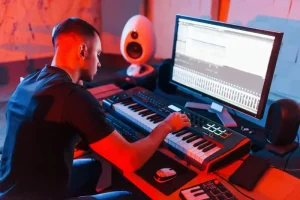
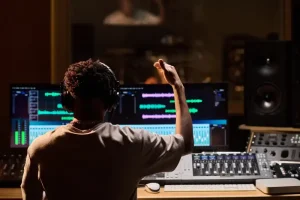
Committing to tones early is the habit that separates confident engineers from cautious ones. Printing reverb, printing delay, and printing saturation forces decisions while the performance is fresh, and it prevents the endless option paralysis that stretches a three day mix into three weeks. Lighter mastering completes the picture. Independent records rarely need to be the loudest file on the platform, and pushing for maximum level sacrifices the dynamic range the genre relies on.
The producer’s role shifts accordingly. Instead of building an arrangement in software, the producer acts as an editor who removes what the song does not need. Deleting a guitar part often improves a mix more than any plugin chain, and that instinct is what experienced sound indie genre characteristics work looks like in practice.
The Role of Lo-Fi Aesthetics and Deliberate Imperfection
Lo-fi is a technique, not a target. A deliberately limited production uses noise, restricted bandwidth, and imperfect timing to place emphasis on performance and mood. When it works, the limitations feel like a frame around the song rather than a flaw inside it.
The mistake is treating limitation as a substitute for skill. A muddy mix that hides a weak arrangement will not improve with more tape hiss. The genre rewards intention, and intention shows in the small decisions: which frequency range gets cut, which instrument stays out of the chorus, which mistake gets kept.
Tape Saturation, Room Mics, and Analog Warmth
Tape compresses transients gently and adds harmonic content that flatters guitars and vocals. That softening is why drum recordings from the analog era sound rounder than their digital equivalents, and why engineers still simulate it even when tracking digitally.
Room mics capture the performance as a single event rather than a collection of isolated parts. Placed several metres back, they pick up the kit’s natural balance, the singer’s off-mic energy, and the reverb of the space itself. Blending room mics under close mics lifts a recording from clean to alive, and it does so without any processing at all.
When Lo-Fi Becomes a Crutch
The test is simple. Play the track on a phone speaker at low volume. If the song still holds attention, the aesthetic is doing its job. If everything collapses into a vague wash, the noise is covering for something missing in the writing or the arrangement.
A useful rule follows from that test. Every sound indie genre characteristics choice should survive being removed. Turn off the saturation, mute the room mics, dry up the reverb, and listen again. If the song works without them, the production is enhancing something real. If it only works because of them, the problem sits in the song rather than the mix.
Rhythm Sections, Dynamics, and the Quiet-Loud Contrast
Drummers in this genre play for feel rather than grid perfection. Small tempo movements, pushed fills, and slightly late backbeats create tension that a quantised performance cannot reproduce. When timing gets corrected too aggressively, the rhythm section loses the human pulse that the whole record depends on.
The bass often functions as a melodic partner instead of a root note machine. Simple lines that move between chord tones give the arrangement motion without crowding the vocal. Dynamic contrast remains the primary emotional tool in this music, and protecting it starts at the drum bus. Heavy compression there removes the difference between verse and chorus before the mix ever reaches the master.
Practical advice follows from that. Keep the verse genuinely smaller rather than merely quieter. Cut an instrument out entirely, drop the drum pattern down, pull the vocal closer. Then let the chorus open up with the full arrangement. That contrast is what gives independent records their sense of scale, and it costs nothing but discipline.
Indie Culture, Streaming Economics, and Where the Genre Goes Next
Streaming removed the distribution barrier and replaced it with an attention problem. Releasing music is now free and instant, which means the real work happens in building a reason for anyone to press play. The artists thriving in this environment release consistently, treat each song as a reason to contact their audience, and keep ownership of their recordings.
Bedroom production lowered the entry point dramatically. A single songwriter with a laptop and one good microphone can now make a record that sits comfortably beside a studio release, provided the arrangement decisions are sound. That access has broadened the genre, and it has also crowded it, which makes distinctive choices more valuable than technical polish.
DIY Ethics in a Playlist Driven World
The do it yourself ethic survives because it still delivers advantages. Self releasing keeps the master, short run cassettes and vinyl give fans something physical, and direct communities built through email and messaging convert far better than passive follower counts.
Playlist pitching remains genuinely competitive, and editorial placement is difficult to predict. The reliable path runs through independent curators, algorithmic discovery triggered by saves and repeat listens, and sync licensing for film and television. Preparation decides who wins those opportunities. Clean rights, instrumental versions, and properly formatted files turn a request into a placement instead of a scramble.
Scene Fragmentation and Genre Blending
Indie has absorbed shoegaze, hyperpop, country, and electronic production over the past few years, and that blending now defines the scene more than any single sound. Artists borrow freely across categories, which makes genre labels less useful while making sound indie genre characteristics more useful, because production choices outlast stylistic trends.
Regional scenes still deliver something algorithms cannot. Shared venues, local radio, and friendships between bands create the conditions for a sound to develop rather than a single song to circulate briefly. That is where the next wave will come from, and it will probably arrive with worse equipment and better songs than anything currently sitting on a major streaming playlist.
Conclusion
Sound indie genre characteristics come down to decisions rather than equipment. Performance over perfection, space over saturation, dynamic range over maximum loudness, and specific detail over broad statements. Those choices shaped the genre when budgets forced them, and they define it now that budgets no longer matter. Build your tracks so they still work when stripped back, keep your verses genuinely smaller than your choruses, and trust the performance to carry the emotion. Do that and your record will sound independent for reasons listeners can hear, not just for reasons they can read in the credits.
FAQs
1. What defines sound indie genre characteristics the most?
The most recognisable markers are untreated vocals, audible room ambience, clean or lightly driven guitars, and arrangements that leave space between parts. Dynamic contrast between quiet verses and open choruses matters more than any specific instrument choice, and production decisions outlast the stylistic trends around them.
2. Why do indie records sound less polished than mainstream releases?
Much of that texture comes from limited takes, live tracking, and a preference for performance character over technical perfection. Engineers working in this style intentionally preserve pitch movement, keep room noise, and print effects early rather than refining every detail across weeks of editing and re-editing.
3. Is lo-fi production still relevant in modern indie music?
Yes, though the execution has changed. Bedroom producers now recreate analog warmth digitally with saturation plugins and room simulations. The aesthetic remains valid when it supports a strong song, and it becomes a weakness when noise is used to hide problems in the writing or the arrangement underneath it.
4. How much reverb should an indie mix use?
Enough to place each sound in a believable space, and not so much that transients blur together. Use longer pre-delay to keep attacks clear, keep decay shorter on drums, and treat reverb as a separate voice for one or two elements. If the mix turns to fog, reduce the amount and improve the arrangement instead.
5. What is the biggest mistake when producing indie music?
Over-polishing the performance. Quantising drums tightly, correcting every vocal note, and compressing the drum bus hard removes the human detail that makes the genre work. Keep the mistakes that carry emotion, protect the dynamic range, and let the room and the players remain audible in the final result.